“Peace is no longer an option. It’s the only option left for global survival.”
– Dr. Meera Khanna
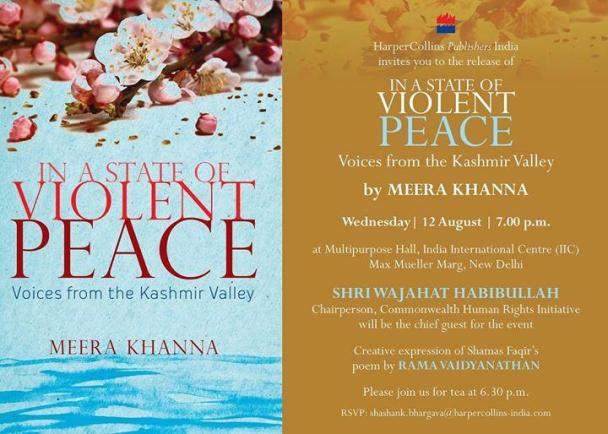
At the #CSW59, Dr. Meera Khanna, Vice Chair of the Guild of Service, shared the suffering of women and widows in the Kashmir Conflict. She drew attention to the tragedies that women, particularly widows, face. The event “Kashmiri Women’s Suffering in Protracted Conflict: Challenges for Security, Rights, and Equality” was hosted by the International Muslim Women’s Union and Women’s UN Report Network (WUNRN). Ms. Khanna and the panelists called upon the audience and the media to “give voice to the voiceless” by sharing stories of the silenced widows in Kashmir. As part of the partner organization, Montage Initiative, I would like to do just that.
The fighting in Kashmir, a gendered conflict, has caused brutal human rights abuses for civilians. Men have been killed, detained, and have “disappeared.” Thousands of women have been raped, beaten, detained, harassed, tortured, and widowed. State and non-state actors have utilized mass rape in villages as a weapon and war strategy for intimidating and shaming the opponent. The line between who commits atrocities blurs as both sides use women’s bodies as the battleground and as a tool for intimidation. The crime perpetrators threaten women into silence so as not to share their stories. Impunity rules and there is no accountability. Ms. Khanna states the universal tragic impact of this conflict which transcends gender, religion, and any border, “Kashmir is not a conflict of Muslim women and Hindu women. Kashmir is a tragedy of human civilization, and it is humanity that gets victimized.”
Women in Kashmir are excluded from decisions to enter into conflict, and they are absent from participation in conflict-peace negotiations, discussions, and decision-making. Yet they bear the brunt of the conflict and suffer disproportionately from the actions of fighters. When villages are attacked and male family members disappear, women are left to pick up the pieces. Consequently, thousands of widows are disadvantaged and live in “serial poverty,” all the while having to provide for their children, families, and in-laws. Furthermore, the government renders the widows’ collection of compensation very difficult by failing to recognize their status as widowhood timely and adequately.
But while the media often shows the victimized status of women in Kashmir, and generally in conflict, women are agents of change and resilience; they take care of their families during and following conflict, and they play a key role in rebuilding their communities. More women are also increasingly becoming actors for peace and conflict-resolution. With the rising awareness about the plight of widows in Kashmir and other conflict situations, and with the rising participation of women in conflict and peace issues, there just may be reason enough to be optimistic. Dr. Meera Khanna states, “I feel hope… we are now heading out of the woods. We are entering a situation where women in conflict become entities in themselves and can speak….where women can be empowered to make decent choices in their lives.”

 K-squared